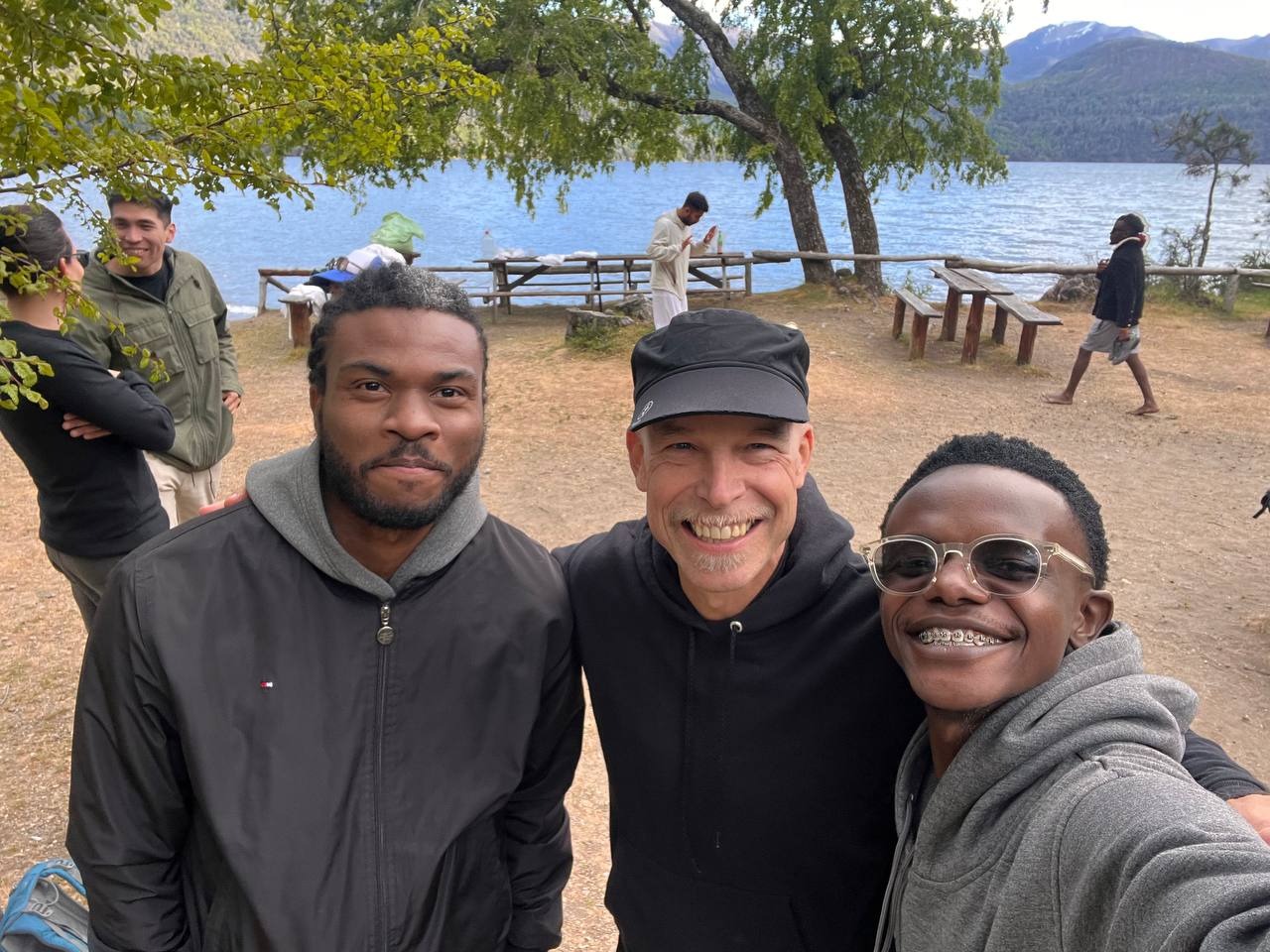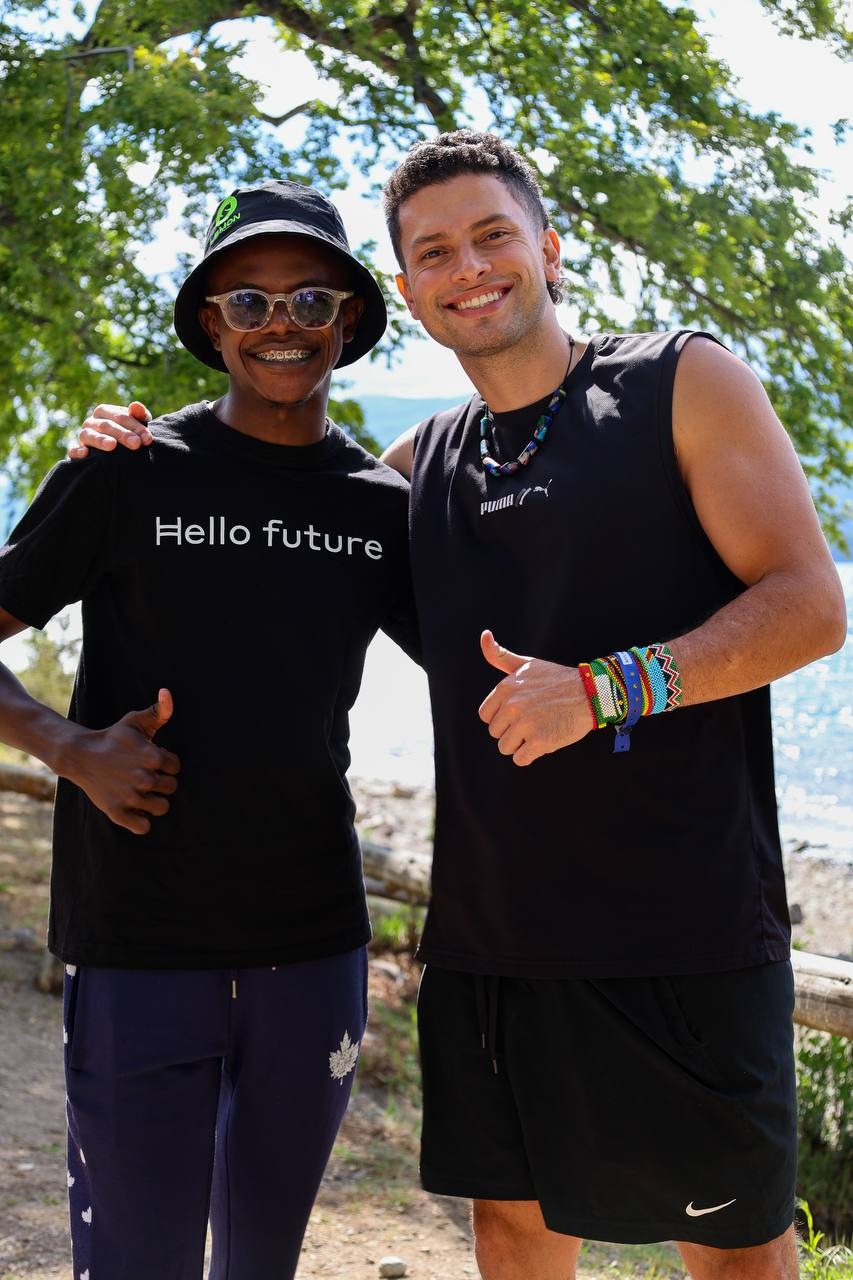
Wrong Problem, Right Community
How a plan to train a sign language model became a lesson in humility and co-creation.
December 18, 2025
This is a guest post by Maxwell Opondo, shared here with permission. The views are Maxwell's own and do not necessarily reflect the views of Edge City. Read more Edge City Patagonia Fellowship reflections from Rucha, Brian, Rhea, and Akshaya.
---
I went to San Martín de los Andes, Argentina with a clear plan: train a Spanish sign language model, test it with the local deaf community, see how they respond, figure out deployment. Clean. Technical. Measurable. That plan lasted about three days.
The Edge City Setup
Edge City runs these popup villages where they bring builders, researchers, and what they call "fast-paced individuals" to unexpected places. This time: a small town in the Andes. You show up, you build, you learn from people who think differently than you do.
I came as a fellow, representing Zerobionic's work in Kenya robotics, sign language translation, and assistive tech for deaf students. The goal was to expand: if we could build a Spanish signing model with the Argentinian community, we'd prove our approach works across languages and borders.
Solid plan. Wrong problem.
What the Community Actually Needed
First week, I'm just talking to this amazing people. Showing the sign language prototypes. Explaining how the robotic translation works. Getting feedback.
Then someone asks: "Do you work with hearing aids?"
Not my specialty. I'm a robotics guy. Sign language translation is the tech I know. But I start asking questions.
Turns out, the pressing issue in San Martín wasn't sign language access, it was hearing aid accessibility. The community needed hearing aids and couldn't get them calibrated properly. When they did get devices, there was no local infrastructure for diagnostics or adjustments. Families had to travel hours to specialist “tip of the ice bag" I heard or atleast i think “there is only one specialist”. Devices would break or lose calibration, and people would just... stop using them.
The community didn't need me to train a model. They needed a way to diagnose and calibrate hearing aids locally.
So guess what? We pivoted.
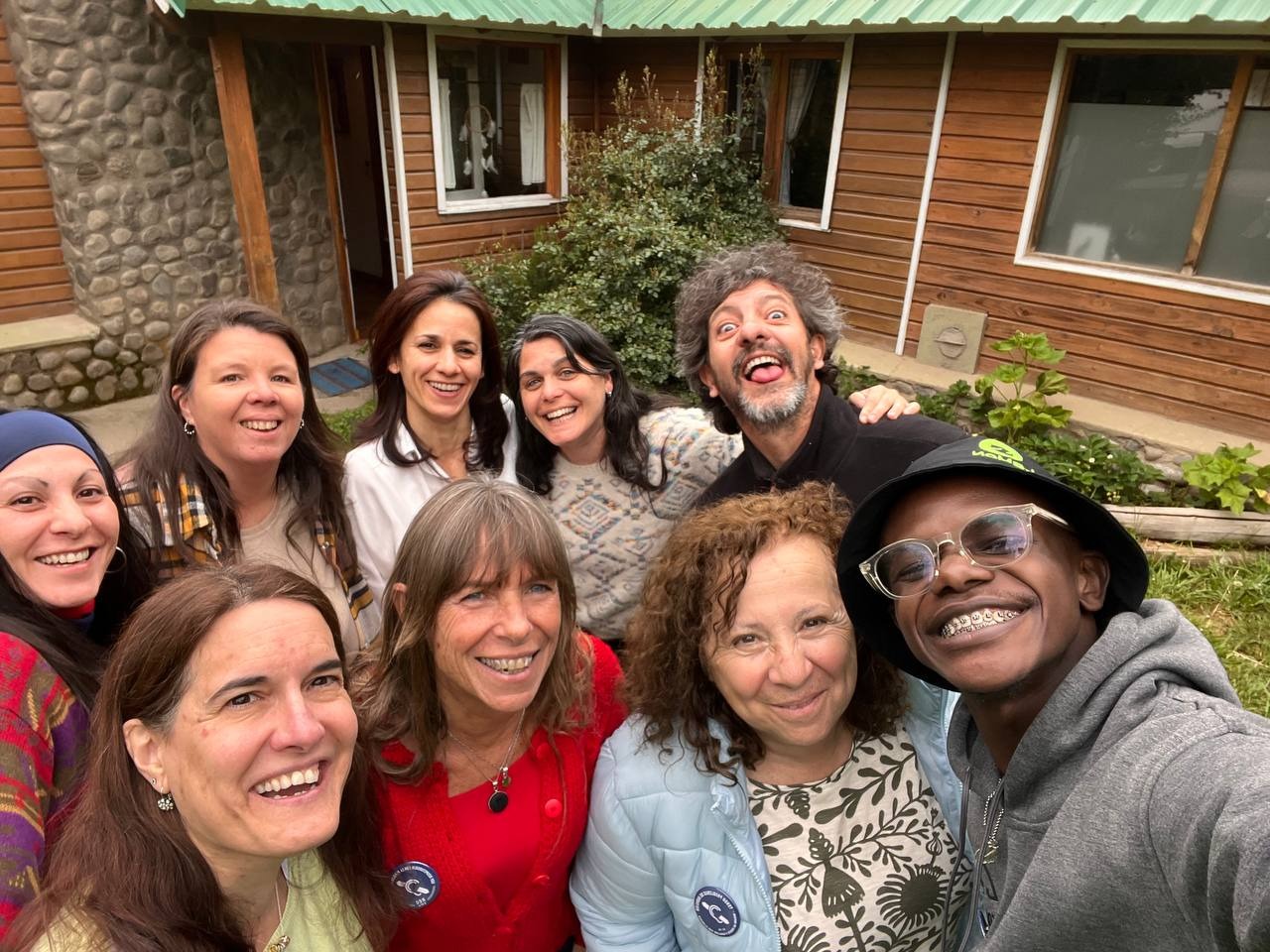
Building What Actually Matters
This is where it got interesting.
We started researching remote hearing aid calibration. How could we enable local doctors or technicians to diagnose issues and adjust devices without sending people to distant specialists? What would a diagnostic tool look like that worked in low-resource settings?
At the same time, we didn't abandon sign language work entirely. We initiated a principle Spanish-robotic model for Argentinian Spanish sign language. Basic robotic signing. Not perfect, but functional. A starting point the community could build on.
But the real work that mattered to this community right now was the hearing aid calibration problem. Here's what I learned: you can show up with the best tech in the world, and it won't matter if it's solving the wrong problem.
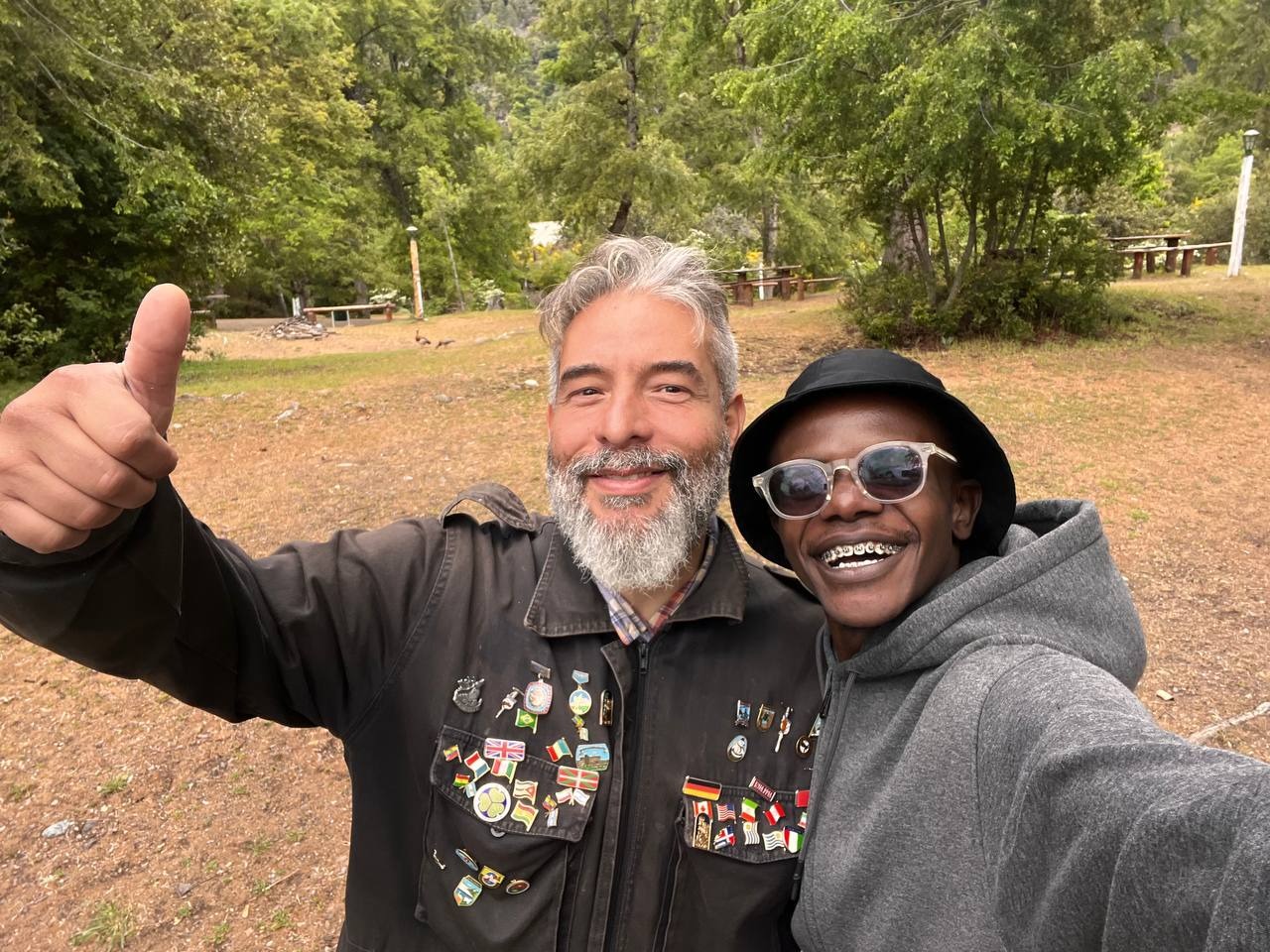
Co-Creation Across Borders
Edge City wasn’t transformative because of the tech. Yes, there were brilliant prototypes, experimental labs, and wild ideas. But the real magic was the people. Imagine waking up every day surrounded by curious, high-agency humans from technologists building weird robotics tools, to biohackers experimenting with their own biology, to artists who think in shapes instead of words. Everyone is from a different part of the world, speaking different languages, carrying different stories. And yet, somehow, you feel like you’ve known each other for years. It’s not about being the smartest person in the room; it’s about being brave enough to build, to care, to share what you believe the world could become.
San Martín itself adds a layer to the experience that you don’t expect. The mountains surround you like old guardians. The lake reflects the sky in a way that slows your heart rate. One evening, after a community dinner, we walked back quietly along the water. Someone suddenly stopped, looked at the horizon, and said, “Maybe this place makes us think we can build anything because people here are kind.” It was such a simple sentence, but it stuck with me. It reminded me how the environment shapes ambition not just the tools or the space, but the feeling of safety and generosity.
The moment that grounded everything for me came after a demo. A local mother approached me, very quietly, and said, “If this tool works, my child will go to school every day again.” That sentence hit harder than any keynote or workshop or competition I’ve ever attended. It dissolved all the noise: the code, the robotics challenges, the technical complexity. It reminded me that our work isn’t about clever engineering, it's about the human beings who will touch the things we build.
Edge City changed me because it reminded me that innovation isn’t a performance. It’s a responsibility. You don’t need to be perfect, you just need to be willing to show up with humility, curiosity, and community. Technology is the easy part. Building tools that restore dignity, agency, and hope that’s where the real work begins.
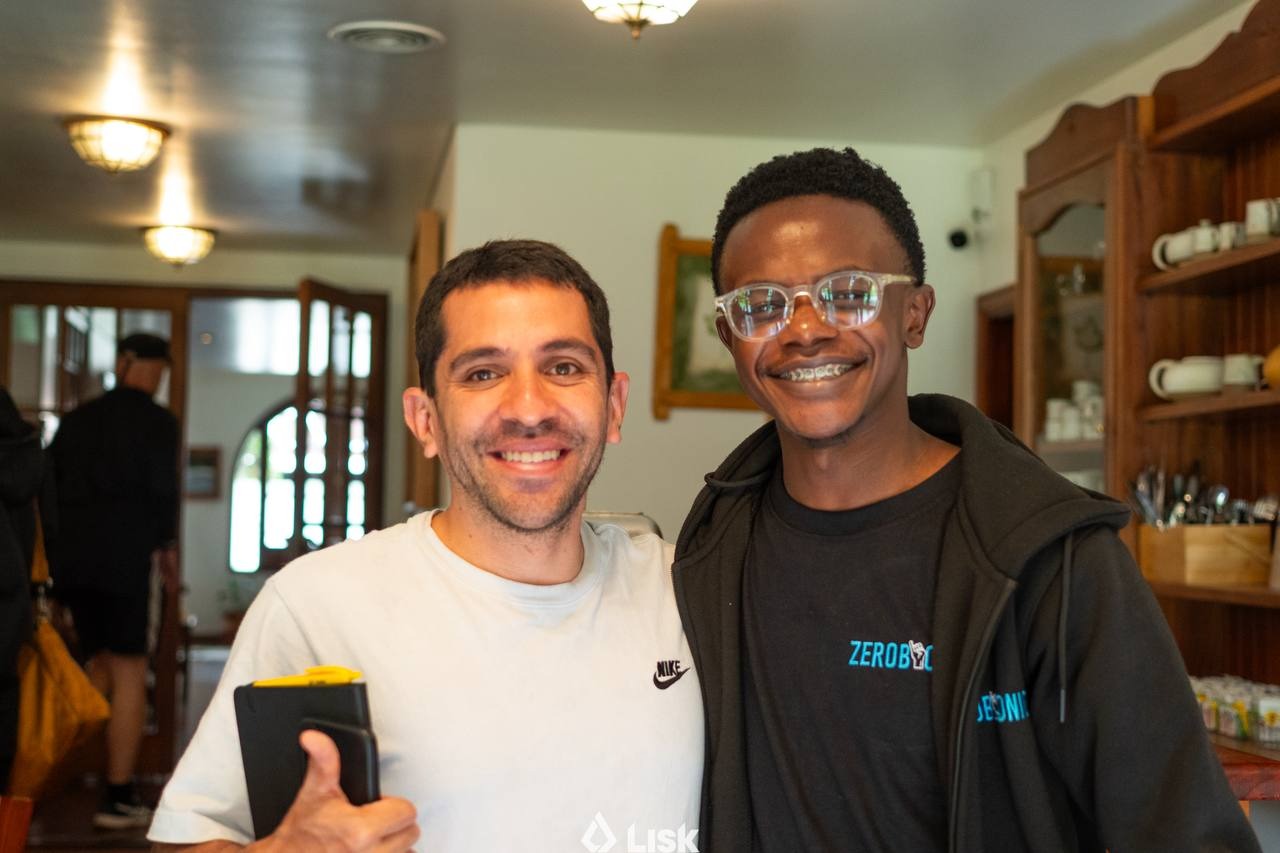
What We're Launching
In a few days, we're launching two things:
zerobionic-beta the updated platform incorporating everything we've learned across Kenya and Argentina. Modular. Adaptable. Built for real classrooms.
señasConecta-beta the Spanish sign language model we initiated with the San Martín community. It's a starting point, not a finished product. The community will keep testing, refining, breaking it.
But more than the software, we're launching a network. Kenya to Argentina. Nairobi to San Martín. Communities solving shared problems, learning from each other's contexts.
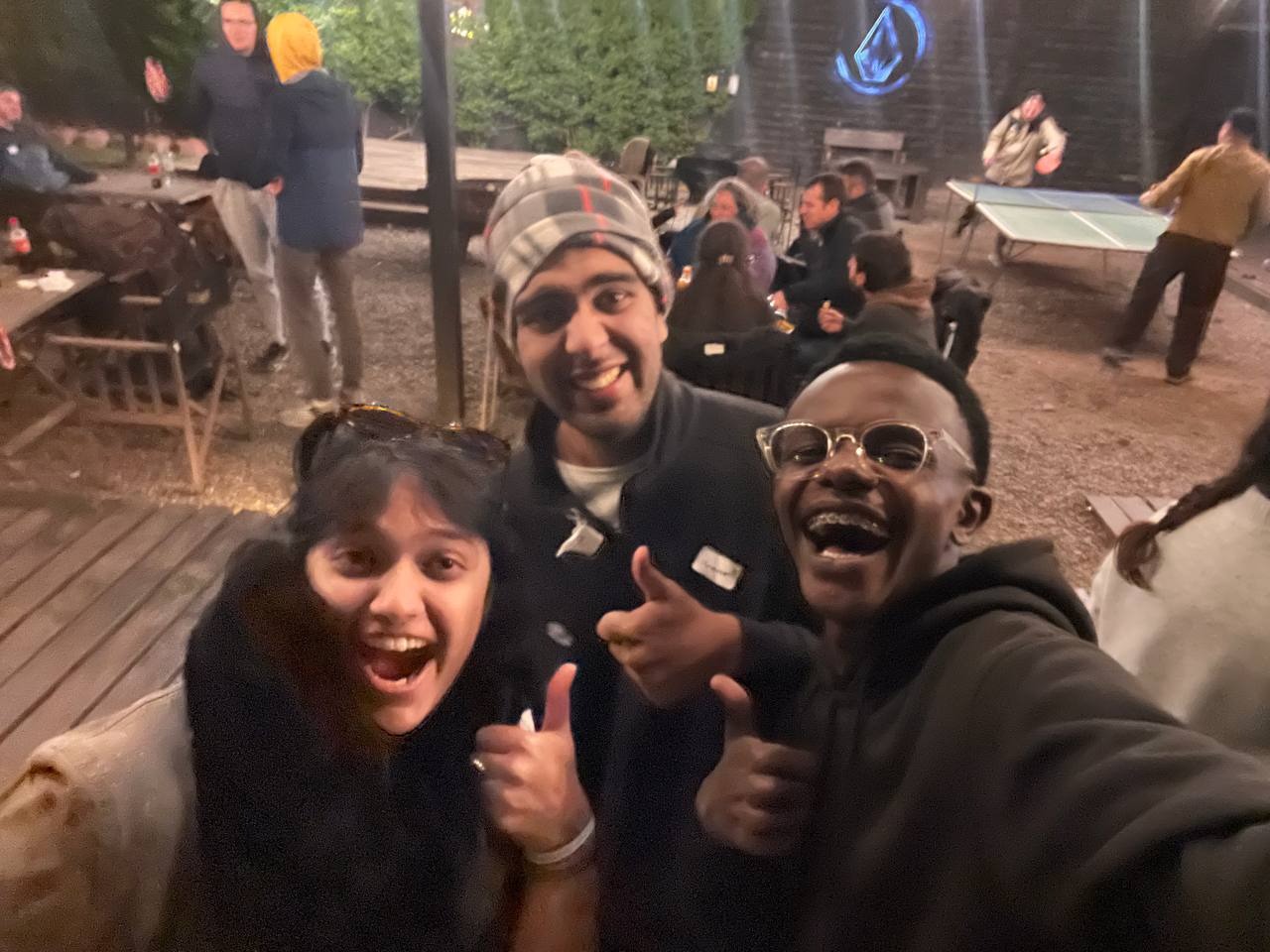
The Chaos of Building Fast
Edge City asked: what happens when you bring fast-paced individuals to a small village to build?
Here's what happens: you realize your assumptions were wrong, you pivot in 72 hours, you prototype at midnight with people who don't speak your language but understand the problem perfectly, you fail six times before something works, and you leave with better questions than you arrived with.
It's chaotic. It's exhausting. It's the best way I've ever built anything.
Massive thanks to the Edge City team — Timour Kosters, Sofia Scarlat, Telamon Ardavanis, Santiago Trujillo Zuluaga, Viviana Cortez and triple thanks to Larec SMA. for creating the conditions where this kind of work can happen.
And to the San Martín community: you didn't just help us build better tech. You reminded me why we build in the first place.
What This Changes
This month solidified something I've been thinking about for a while: accessibility isn't a single-market problem. It's not "solve it in Kenya and scale." Every community has different needs, different constraints, different languages.
The only way this works is if we build with communities, not for them. If we stay flexible. If we're willing to scrap our plans when reality tells us we're solving the right problem for the wrong community.Zerobionic isn't a Kenyan company anymore. We're building a global network of co-creators. And San Martín is proof that it works.
Maxwell Opondo
Founder, Zerobionic
Currently: Somewhere between Nairobi and the next problem worth solving